Why is aluminum alloy skirting being used in modern interior design? Traditional wooden skirting offers a natural, warm ambiance and allows for personalized customization, while PVC skirting is inexpensive and provides basic moisture resistance. However, in high-traffic areas such as shopping malls, offices, schools, and hospitals, neither of these materials is often suitable. They are prone to scratches and deformation, and require frequent maintenance. This is why aluminum alloy skirting has become an increasingly popular solution.
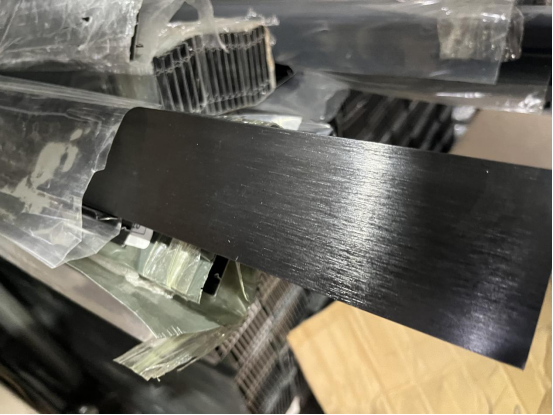
Aluminum baseboards are more durable and cost-effective than wood and PVC baseboards. In high-traffic areas, wooden baseboards are prone to dents and require regular repainting. While PVC baseboards are affordable, they are susceptible to cracking from impact, and dirt easily accumulates in the joints. These drawbacks increase cleaning and maintenance costs and, in some cases, can compromise hygiene standards.
In contrast, aluminum baseboards and aluminum baseboard trims are scratch-resistant, moisture-resistant, and impact-resistant. Even with frequent daily use, their stylish and modern appearance remains like new. Therefore, aluminum baseboards are now favored by architects, designers, and facility managers who require reliable and easy-to-maintain decorative solutions for demanding environments.
 2. Key Advantages of Aluminum Baseboards
Aluminum baseboards offer numerous advantages that set them apart in both residential and commercial applications:
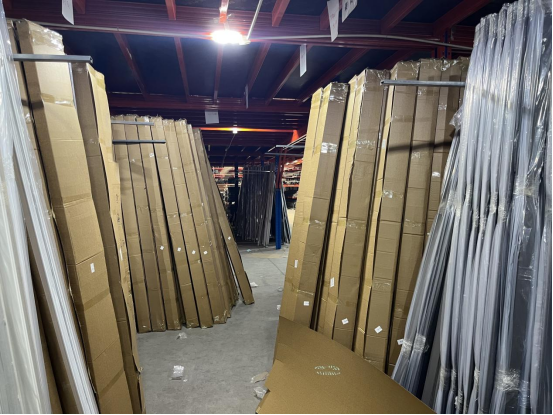
Unlike wood or PVC, aluminum baseboards are less prone to warping, cracking, or splintering. They are resistant to wear and tear, making them ideal for high-traffic environments.
Aluminum is naturally resistant to moisture and does not absorb water, preventing mold and rot. It also offers greater fire resistance compared to traditional baseboards.
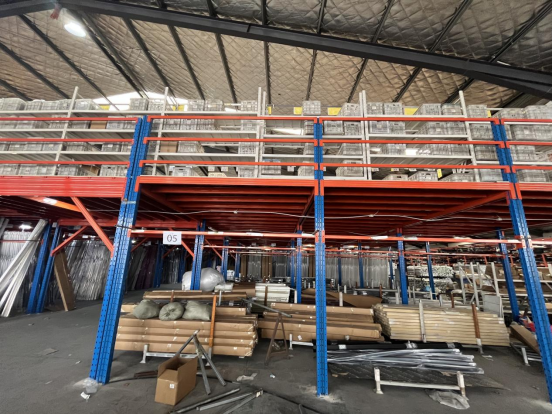
Cleaning aluminum baseboards is simple. Their smooth surface does not easily accumulate dirt and does not require painting, sealing, or frequent maintenance.
Aluminum baseboards and moldings feature sleek lines and a distinctive metallic feel, complementing modern interior styles and adding a clean, professional touch to any space.
When combined with options such as LED lighting, aluminum baseboards enhance both functionality and ambiance, making them suitable for creative architectural designs.
Aluminum baseboards are widely used in public and private spaces thanks to their durability and modern design. In commercial spaces such as offices, restaurants, and shopping malls, they maintain their performance even with heavy use and frequent cleaning. They also help maintain a clean and professional image, which is essential for many businesses.
In schools and universities, aluminum baseboards resist scratches, dents, and other damage caused by frequent foot traffic. This makes them a reliable option for high-traffic areas. Similarly, in hospitals and clinics, aluminum baseboards meet strict hygiene requirements. They are easy to disinfect and resistant to moisture, which is crucial for patient safety and maintaining cleanliness.
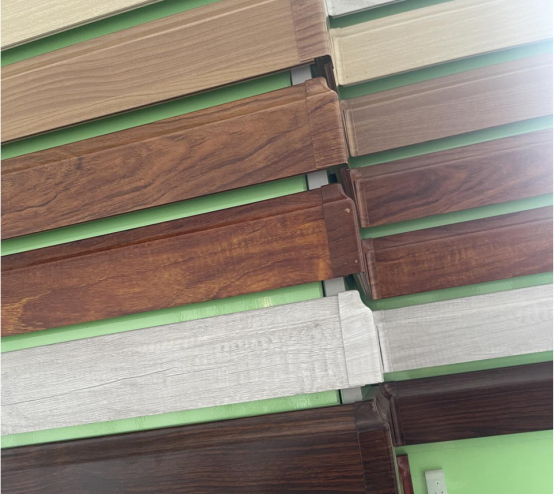
In residential interior design, aluminum baseboards provide a clean and durable decorative effect in areas such as kitchens, hallways, and living rooms. Homeowners often choose aluminum baseboards as an alternative to PVC or wood due to their lower maintenance costs. Furthermore, designers frequently use aluminum baseboards in custom projects, or aluminum baseboards combined with LED lighting, balancing functionality and aesthetics.
When choosing baseboards, many people first think of wood or PVC. Each of these materials has its advantages, but aluminum baseboards stand out in a key aspect of modern interior design.
Wood baseboards create a warm and natural ambiance, but they are susceptible to moisture, termites, and scratches. PVC baseboards are lightweight and economical, but they tend to crack or discolor over time. In contrast, aluminum baseboards are durable and do not warp, rot, or attract pests. They are also easy to clean; simply wipe them with a damp cloth to maintain their appearance.
Traditional baseboards offer limited style options and may require regular repainting to maintain their look. Aluminum baseboards, on the other hand, offer a variety of finishes, including brushed, matte, and powder-coated. Designers also prefer aluminum baseboards because they integrate seamlessly with modern interior designs, especially when combined with LED lighting, creating a sleek and contemporary atmosphere.
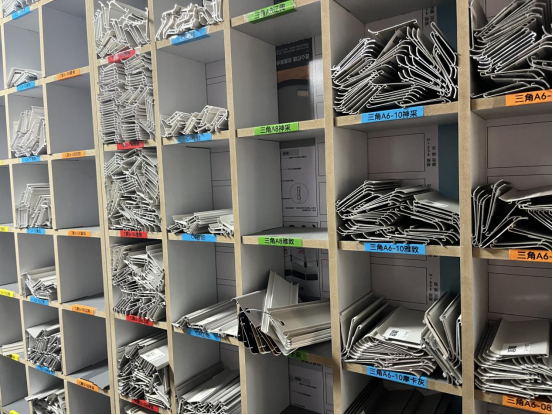
At first glance, wood and PVC may seem more economical. However, when considering maintenance and replacement costs, aluminum is often the more cost-effective option. Its long lifespan reduces the need for frequent replacements, making it a smarter investment for both residential and commercial projects.

Since 1998, we has focused on the production and R&D of interior line decoration and wall decoration.
Copyright © Qingdao Comovy Decorative Material Co., Ltd. All Rights Reserved
 EN
EN